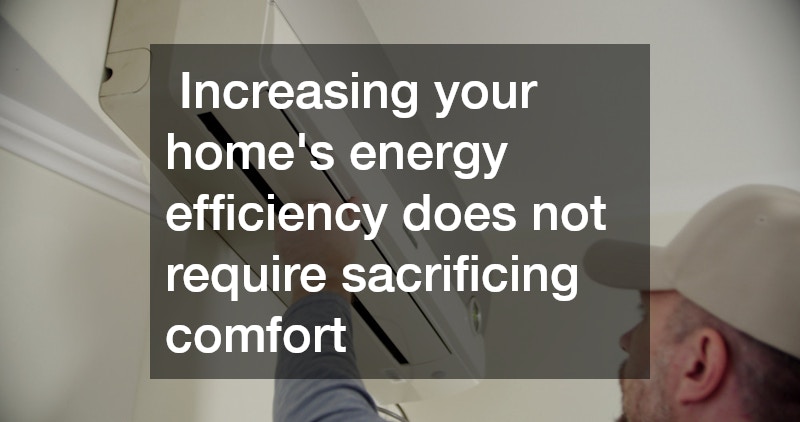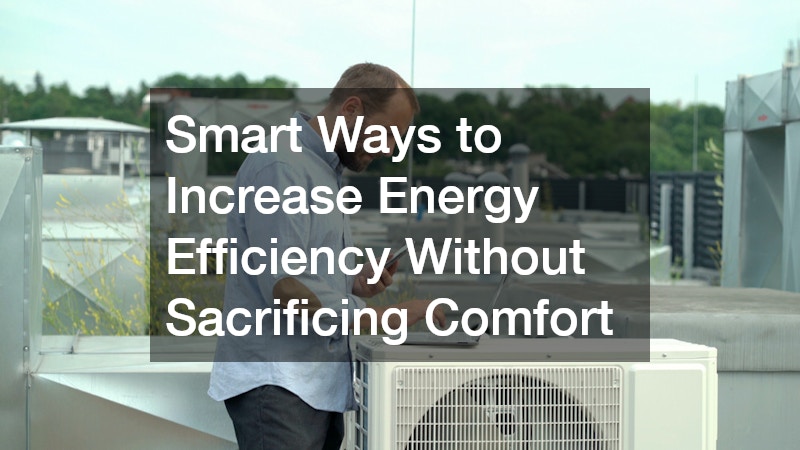
Improving your home’s energy efficiency is one of the most effective ways to reduce utility costs while enhancing overall comfort. A well-optimized home maintains consistent temperatures, uses less energy, and creates a more pleasant living environment year-round. The key is to make targeted upgrades that improve performance without compromising convenience. By focusing on insulation, systems, and smart technology, homeowners can achieve a balance between efficiency and comfort that delivers long-term value.
Improving Energy Efficiency While Maintaining Comfort
Understanding Insulation
Insulation plays a central role in regulating indoor temperatures. Without adequate insulation, heated or cooled air can easily escape, forcing your HVAC system to work harder.
This not only increases energy consumption but also creates uneven temperatures throughout the home.
Different types of insulation, such as fiberglass, spray foam, and cellulose, offer varying levels of performance depending on where they are installed. Attics, walls, and crawl spaces are key areas to evaluate. Proper insulation helps maintain a stable indoor climate, reducing drafts in the winter and keeping heat out during the summer. The result is a more comfortable home that requires less energy to maintain.
Efficient Heating and Cooling Systems
Heating and cooling systems account for a significant portion of a home’s energy use. Upgrading to a modern, energy-efficient HVAC system can dramatically improve performance while lowering operating costs. High-efficiency units are designed to deliver consistent temperature control without excessive energy consumption.
Regular maintenance is equally important. Clean filters, well-maintained components, and timely servicing ensure the system operates at peak efficiency. In many cases, working with professional air conditioning services can help identify inefficiencies, recommend upgrades, and extend the lifespan of your equipment. A properly functioning system not only reduces energy usage but also enhances indoor comfort.
Smart Home Technology
Smart home technology has become an essential tool for improving energy efficiency. Devices such as programmable thermostats allow homeowners to control heating and cooling based on occupancy and daily routines. This prevents unnecessary energy use when the home is empty while ensuring comfort when it is occupied.
Automation systems can also integrate lighting, appliances, and climate control into a single platform. This level of control makes it easier to optimize energy use without constant manual adjustments. Over time, these small efficiencies add up, resulting in noticeable savings and improved convenience.
Cost-Effective Ways to Upgrade Home Energy Efficiency
Window and Door Enhancements
Windows and doors are common sources of energy loss, especially in older homes. Drafts, poor sealing, and single-pane glass can allow conditioned air to escape and outside air to enter. Upgrading to energy-efficient windows with double or triple glazing can significantly reduce heat transfer.
In addition to replacement, simple improvements such as weatherstripping and caulking can make a noticeable difference. Ensuring a tight seal around doors and windows helps maintain indoor temperatures and reduces the workload on heating and cooling systems. These upgrades are relatively affordable and provide immediate benefits.
LED Lighting Solutions
Lighting is another area where energy efficiency can be improved quickly and cost-effectively. LED bulbs use significantly less energy than traditional incandescent lighting while providing the same or better illumination. They also have a longer lifespan, reducing replacement frequency and maintenance costs.
Beyond efficiency, LED lighting offers flexibility in color temperature and brightness, allowing homeowners to create the desired ambiance in each room. This combination of performance and versatility makes LED lighting a practical upgrade for any home.
Energy-Efficient Appliances
Appliances and electronics contribute to overall energy consumption, making it important to choose models designed for efficiency. Products with high energy ratings are built to use less electricity while maintaining strong performance. This includes refrigerators, dishwashers, washing machines, and other commonly used devices.
Measuring and Maintaining Energy Efficiency Over Time
Conducting an Energy Audit
A home energy audit provides a comprehensive assessment of where energy is being used and where it may be wasted. This process involves inspecting insulation, checking for air leaks, and evaluating the performance of major systems. Professional audits often include tools such as thermal imaging to identify problem areas.
The insights gained from an audit allow homeowners to prioritize improvements based on impact. Addressing the most significant sources of energy loss first ensures that upgrades deliver the greatest return on investment.
Routine Maintenance Checks
Maintaining energy efficiency requires ongoing attention. Regular inspections of HVAC systems, insulation, and structural elements help ensure everything continues to function as intended. Small issues, such as clogged filters or minor leaks, can reduce efficiency if left unaddressed.
Scheduling routine maintenance prevents these problems from escalating and keeps systems operating at optimal levels. Consistent upkeep not only preserves energy efficiency but also extends the lifespan of key components.
Increasing your home’s energy efficiency does not require sacrificing comfort. By focusing on insulation, upgrading systems, and incorporating smart technology, it is possible to create a more efficient and comfortable living environment. Cost-effective improvements such as better windows, LED lighting, and energy-efficient appliances further enhance performance. With regular maintenance and ongoing monitoring, these upgrades continue to deliver benefits over time. A thoughtful approach to energy efficiency not only reduces utility costs but also contributes to a more sustainable and enjoyable home.