

Luxury residential design is evolving, with a focus on utilizing subterranean square footage. Previously considered secondary, basements are now seen as canvases for architectural innovation. A luxury basement transformation leverages below-grade structural features for unique environments not replicable elsewhere in the home. Basements offer acoustic isolation and thermal stability ideal for high-end amenities, like wine lounges, wellness spas, or home cinemas. Achieving luxury requires structural engineering and interior design. Every elegant finish relies on the infrastructure beneath, necessitating a meticulous renovation strategy from the foundation up.
Prioritize Subterranean Defense Before Aesthetics
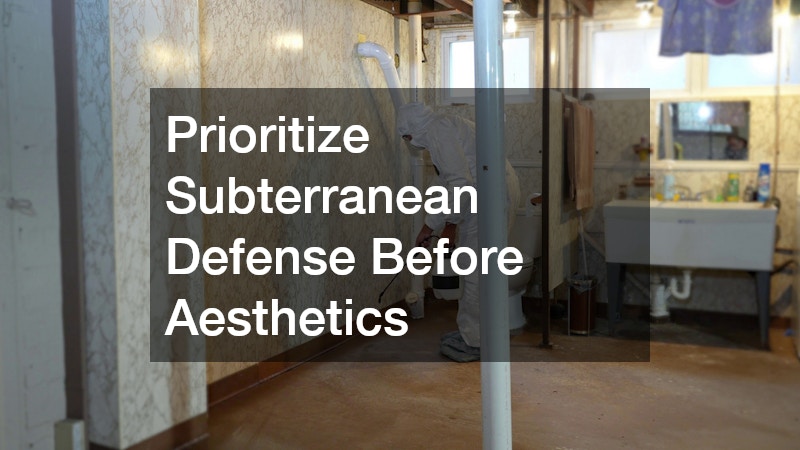
The journey to an elite lower-level living space begins long before the first piece of framing timber arrives. Because concrete is naturally porous, subterranean structures are constantly subjected to hydrostatic pressure—the force exerted by groundwater against the foundation walls and floor slab. In a standard basement, minor vapor transmission might go unnoticed. In a luxury build, even a microscopic amount of moisture migration can ruin custom millwork, warp premium hardwoods, and compromise air quality with subterranean mildew. A premier transformation demands a proactive approach to moisture management that guarantees a bone-dry interior environment for decades to come.
Before investing in high-end design, a comprehensive diagnostic assessment of the exterior and interior perimeter must be conducted. This involves inspecting the exterior grading of the property to ensure water sheds rapidly away from the structure, clearing gutter systems, and checking for micro-fissures in the concrete walls. To establish an impenetrable boundary, professional foundation waterproofing is the critical first line of defense. This process often includes injecting specialized polyurethane or epoxy resins into existing hairline cracks, applying heavy-duty elastomeric membranes to interior walls, and ensuring that a robust sump pump system with a battery backup is perfectly operational.
If your home has a history of dampness or minor flooding, these issues cannot simply be covered up with moisture-resistant drywall. You must engage professional water remediation services to properly dry the structural shell, treat any existing microbial growth, and chemically neutralize deep-seated moisture within the porous block or poured concrete. Only when the raw environment achieves a clinically dry baseline can you safely proceed with framing. High-end renovations often utilize advanced vapor barriers over the treated concrete, creating a thermal and moisture break that separates the raw earth from your finished living zones. This invisible layer of security ensures that your investment in premium textiles, fine leather seating, and custom electronics remains pristine.
- Exterior Drainage Optimization: Ensure that land grading drops at least six inches over the first ten feet away from the foundation wall to prevent water pooling.
- Sump Pump Redundancy: Install a primary pump alongside an independent, water-powered or battery-backed secondary pump to safeguard against power outages during severe storms.
- Vapor Barrier Selection: Utilize a heavy-duty, multi-mil poly vapor retarder on both the concrete slab floor and the perimeter walls before framing to halt capillary moisture rise.
Engineer a Seamless Invisible Infrastructure

The ultimate mark of a luxury space is how it feels on a sensory level, long before you notice the decor. Walk into a poorly planned basement, and your senses instantly register that you are below grade—the air feels heavy, the temperature fluctuates, and the distant hum of the furnace disrupts the peace. Erasing these subterranean cues requires sophisticated mechanical engineering. Your climate control, air purification, and electrical grids must be robust, quiet, and entirely integrated into the architectural layout so that they perform flawlessly behind the scenes.
Standard residential heating and cooling systems are rarely optimized to manage the distinct thermal dynamics of a lower level. To achieve perfect equilibrium, you should collaborate with an experienced HVAC company to design a dedicated comfort zone. This typically involves installing an independent ductless mini-split system or retrofitting the existing central system with motorized zone dampers and advanced dehumidification units. Because cold air naturally settles and concrete slabs remain chilled by the earth, incorporating hydronic or electric radiant floor heating beneath your primary flooring is a hallmark of luxury design. It provides a gentle, enveloping warmth that completely transforms the ambient comfort of the space.
Simultaneously, the electrical infrastructure must be radically expanded to support modern luxury amenities. A sophisticated home theater, automated ambient lighting scenes, automated window treatments, and high-draw spa equipment require a vast amount of clean, stable power. You will need to hire certified electricians to assess your home’s main electrical panel, run dedicated circuits to high-demand zones, and establish a centralized smart-home automation hub. Low-voltage wiring for high-speed data, architectural audio, and integrated security must be mapped out across the ceiling joists before insulation, ensuring that your digital experience is as seamless and responsive as it is on the upper floors.
- Dedicated Dehumidification: Integrate an inline, whole-house dehumidifier directly into the ductwork to automatically maintain relative humidity between thirty and fifty percent.
- Acoustic Mechanical Baffling: Wrap all primary metal ductwork in acoustic insulation and use flexible connectors to eliminate the transmission of mechanical vibrations.
- Architectural Lighting Paths: Plan for a layered lighting scheme consisting of discreet LED pin-lights for ambient warmth, low-profile linear plaster-in channels for artistic geometry, and target spotlights for artwork.
Navigate Below-Grade Layouts and Low-Profile Plumbing
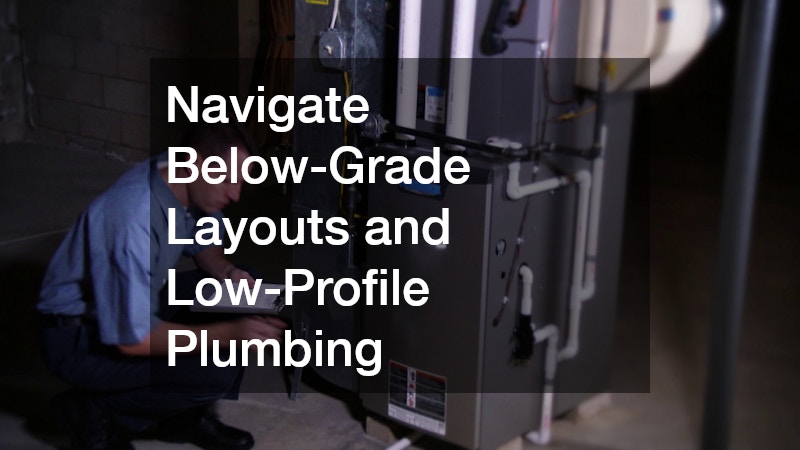
Designing a luxury layout requires creative spatial problem-solving to overcome structural obstacles like support columns, low-hanging main water lines, and structural steel beams. Rather than allowing these elements to fragment your floor plan, an expert architectural designer integrates them into the aesthetic fabric of the space. Structural columns can be wrapped in fine hardwoods or flanked by custom archways to create elegant transitions between open-concept zones, while low-profile ceiling drops can be styled as intentional tray ceilings with concealed LED cove lighting.
The overarching goal of a premium basement remodeling project is to create an open, flowing floor plan that mimics the grand proportions of a main-level estate. This means avoiding tight, maze-like corridors and instead creating sweeping sightlines between the entertaining lounge, the billiard area, and the culinary zones. If you are incorporating a high-end walk-in wet bar, a professional-grade catering kitchenette, or a spa-inspired bathroom, the layout will be dictated heavily by your home’s existing plumbing infrastructure. Because your primary sewage lines run along the basement ceiling or mid-way up the wall, moving wastewater from below-grade fixtures requires specialized mechanical assistance.
To execute these complex water features flawlessly, you must partner with experienced residential plumbers who specialize in sub-slab drainage. Installing an elegant bathroom or a wet bar often requires cutting into the concrete floor slab to lay new drain pipes that slope toward a heavy-duty ejector pump basin hidden beneath the floor. For a truly high-end experience, these pumps must be ultra-quiet models encased in sound-insulated chambers, preventing any intrusive operational noises from disrupting your conversations or cinematic viewings. Additionally, your plumbing team can integrate advanced water filtration and inline water-softening systems exclusively for your lower-level bars and steam rooms, ensuring the highest water quality.
- Spatial Zoning: Utilize architectural features like double-sided fireplaces or glass partition walls to define distinct functional areas without blocking sightlines.
- Acoustic Drywall Solutions: Frame the ceiling using resilient sound-isolation clips and double-layered acoustic drywall to prevent footsteps from the main floor from echoing below.
- Smart Ejector Systems: Select commercial-grade, dual-pump ejector systems equipped with digital telemetry that alerts your smartphone in the rare event of a mechanical variance.
Flood the Space with Daylight and Natural Air Flow
One of the greatest psychological barriers to enjoying a lower-level living space is the absence of natural light. If a space feels dark and disconnected from the outdoors, it will never truly feel luxurious, regardless of how expensive the furnishings are. To break the subterranean stigma, you must aggressively maximize the entry of daylight. Introducing expansive glass elements not only alters the physical lighting of the room but also alters how your brain perceives the proportions of the space, making ceilings feel higher and walls feel more distant.
If your home sits on a flat lot, expanding your light profile requires deep structural modifications to your foundation. You will need to bring in a specialized window contractor who has the heavy machinery and engineering expertise required to cut precision openings into poured concrete or cinder block walls. By widening existing small utility windows into expansive, deep-set egress windows, you can flood the lower level with true ambient daylight. To complement these structural cuts, the exterior window wells should be transformed from industrial corrugated metal into architectural focal points, utilizing terraced natural stone layers, reflective light-colored masonry, or lush, shade-tolerant vertical gardens that offer a pleasing view from the inside.
For properties with a partial slope, a walk-out configuration represents the pinnacle of lower-level luxury. Replacing a solid foundation wall with a massive, multi-panel folding glass door system creates a seamless indoor-outdoor transition to a sunken courtyard, a lower pool deck, or a private fire pit lounge. When selecting these expansive glass elements, prioritize commercial-grade aluminum frames with low-emissivity, argon-gas-filled triple glazing. This high-end specification guarantees that your large glass walls provide exceptional thermal performance, keeping the interior space perfectly insulated against winter chills and summer heat waves.
- Terraced Light Wells: Design wide, stepped window wells that angle upward at a forty-five-degree angle to catch and bounce maximum sunlight deep into the room.
- Light-Reflective Finishes: Position high-gloss architectural lacquers, expansive mirrors, and polished stone surfaces directly opposite window openings to bounce natural light across the floor plan.
- Motorized Light Control: Install concealed, automated roller shades within architectural ceiling pockets to effortlessly control glare during peak afternoon hours.
Elevate with Tailored Millwork and High-Performance Surfaces
The final layer of a true luxury transformation is the tactile and visual quality of the surfaces you interact with daily. In an elite basement lounge, standard paint and basic finishes will not suffice. To cultivate an atmosphere of refined sophistication, every surface should showcase deliberate craftsmanship, rich textures, and exceptional durability. The selection of materials must account for the unique environment of a lower level, prioritizing premium materials that possess high structural stability without sacrificing an ounce of visual elegance.
For areas intended for high impact or wellness—such as a personal fitness sanctuary, an indoor golf simulator suite, or a sleek collector’s showroom—traditional flooring options can sometimes fall short. To create a modern, seamless, and incredibly durable foundation, elite designers frequently turn to professional epoxy flooring services. Far from industrial coatings, luxury residential epoxy applications utilize multi-layered metallic pigments, quartz broadcasts, or satin-polyaspartic topcoats to create floors that resemble flowing liquid stone or polished terrazzo. These surfaces are completely impervious to moisture, effortlessly resist heavy equipment or vehicle traffic, and provide a striking, low-profile aesthetic that grounds contemporary architecture beautifully.
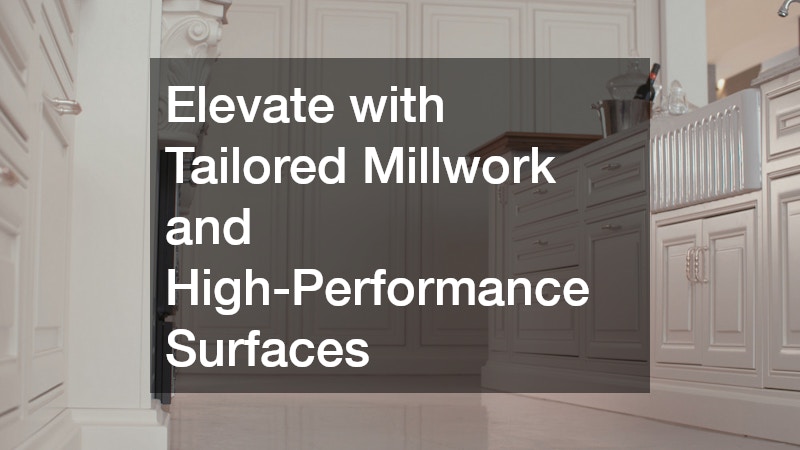
In the primary entertaining zones, such as the media lounge, the library, or the walk-in wine room, bespoke millwork is essential to achieving a cohesive, tailored look. Collaborating with high-end custom cabinet companies allows you to design floor-to-ceiling built-ins that conceal media wiring, house integrated LED display lighting, and showcase exquisite grain matching across hidden doors. To complete these entertainment hubs or wet bars, the stone surfaces must be equally exceptional. A flawless countertop installation using book-matched quartzite, rare marbles, or thick-slab porcelain surfaces elevates a simple beverage station into a striking architectural feature. The stone fabricators should execute mitered waterfall edges and seamless undermount sink cutouts, ensuring that the stone transitions perfectly into the surrounding custom cabinetry.
- Integrated Sub-Surface Warmth: When deploying resinous or stone floors, ensure that electric heating mats are embedded directly into the self-leveling underlayment for premium underfoot comfort.
- Hidden Architectural Storage: Design custom cabinetry with touch-latches and flush-mounted profiles to maintain clean, minimalist lines while maximizing hidden storage assets.
- Stone Surface Selection: Choose non-porous engineered quartz or treated natural quartzite for lower-level bar areas to prevent staining from red wines, citrus juices, or spirits.
Transforming a residential basement into an elite luxury living space is one of the most rewarding architectural undertakings a homeowner can pursue. By moving beyond the conventional limitations of below-grade spaces, you can create an entirely new realm of comfort, entertainment, and relaxation that feels deeply integrated into the lifestyle of your home. The success of such an ambitious project relies entirely on your willingness to invest equally in what is seen and what remains hidden. When you pair uncompromising structural defense, advanced climate engineering, and expert mechanical trades with bespoke millwork, artistic lighting, and premium surface finishes, the subterranean landscape ceases to be a basement. It becomes a masterfully executed sanctuary that elevates your daily living experience and redefines the true value of your estate.