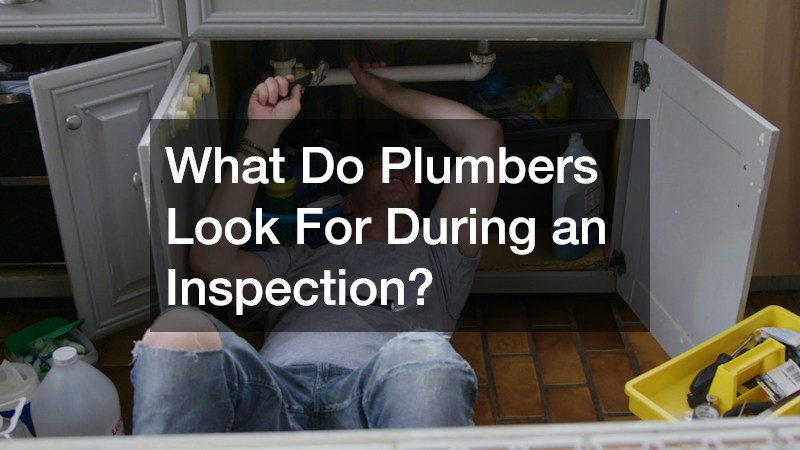
Regular plumbing inspections are a crucial part of maintaining a safe and efficient home. These inspections can identify potential issues before they result in costly repairs, providing homeowners with peace of mind. During a typical plumbing inspection, several elements are evaluated, such as pipes, fixtures, and water heaters. Understanding what to expect during these inspections can help homeowners appreciate their necessity. This article outlines the typical areas that plumbers focus on and the common issues they look for.
What Are the Signs of a Healthy Plumbing System?
A healthy plumbing system is integral to the smooth operation of any residential property. One key indicator of a well-functioning system is clear and consistent water pressure throughout the home.
Any fluctuation in pressure can suggest a blockage or leak within the system. Plumbers also check for any rust or discoloration in the water, which could indicate corrosion in the pipes. Regular inspections help ensure these issues are caught early, preventing more serious problems down the line.
Additionally, examining the drainage speed in sinks, showers, and bathtubs is essential. Slow drainage is often a precursor to a clogged pipe or sewer line. Plumbers look for gurgling sounds in drains, which can signal trapped air or blockages. Prompt attention to such signs can prevent further complications, including unpleasant odors and potential health hazards. A proactive approach to plumbing maintenance is always beneficial.
Water bills that seem unusually high can also indicate a problem within the plumbing system. Plumbers often check for leaks that might not be visible to the homeowner but can significantly affect water usage. A healthy plumbing system should operate efficiently without unexpected increases in utility costs. Regular professional inspections can highlight these hidden issues and save homeowners money long term. Maintaining vigilance in monitoring water usage is a practical step homeowners can take.
How Do Plumbers Detect Hidden Leaks?
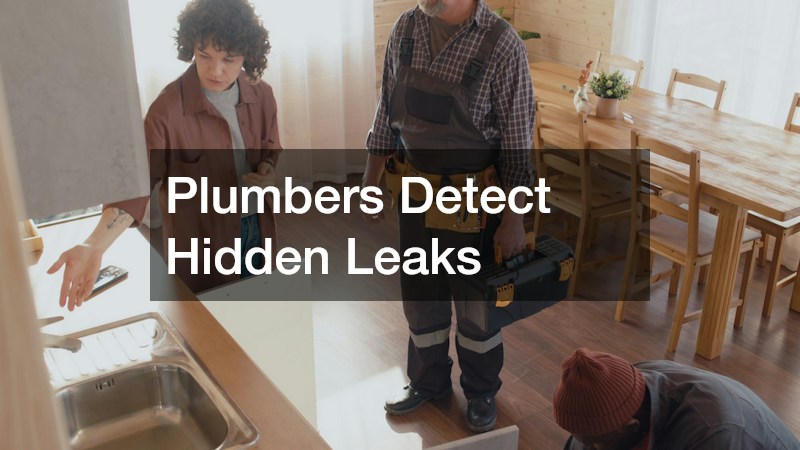
Detecting hidden leaks is a vital component of any plumbing inspection. Plumbers employ various techniques to identify leaks that are not immediately apparent. One common method is the use of specialized listening devices that can pick up the sound of water escaping from pipes. These tools can detect even the smallest leaks within walls or beneath floors. Identifying and repairing leaks early prevents structural damage and mold growth.
Another technique plumbers use is thermal imaging, which highlights areas of temperature variation that suggest water presence. This method is often employed when dealing with leaks in heated water pipes or when the pipes are insulated. Dye testing is also a simple yet effective method where non-toxic dye is introduced into the water system to pinpoint leaks. Once the dye appears in unexpected locations, the plumber can trace the source of the leak. Combining these methods ensures thorough verification and remediation.
In addition to advanced tools, visual inspections of the property are essential. Plumbers check for signs of water damage such as stains, peeling paint, or warped wood, which can indicate a hidden leak. They will investigate areas prone to moisture, like under sinks or around appliances, for any signs of water pooling. Timely detection and resolution of hidden leaks can save significant renovation costs and prevent further deterioration of the property. Preventive measures ensure the property’s longevity and maintain its value.
What Issues Do Plumbers Look for in Pipes?
Pipes are a critical part of any plumbing system, and ensuring their integrity is a priority for any plumber. During an inspection, plumbers look for signs of corrosion, especially in older homes with metal pipes. Corroded pipes can lead to contaminated water and eventual leaks. Plastic pipes, though less prone to corrosion, are checked for signs of wear, cracking, or joint separation. Regular assessment of pipe condition is essential for avoiding water quality issues.
Inspecting the connections between pipes is equally important. Loose or deteriorating joints can be a source of leaks, leading to significant water loss if not addressed promptly. Plumbers use pressure tests to determine the robustness of the piping system. Any detected drop in pressure may suggest a leak or weakness in the pipes. Effective maintenance of these connections is crucial to sustaining an efficient plumbing system.
Plumbers also assess whether the pipes are sized correctly for the home’s water usage demands. Improperly sized pipes can lead to inadequate water pressure, affecting daily activities like showering or washing dishes. Ensuring appropriate pipe size can help provide a consistent water pressure throughout the house. By verifying that the plumbing system matches the needs of the household, plumbers optimize functionality and efficiency. This preventive assessment helps avoid future inconveniences and costly upgrades.
How Do Plumbers Assess Water Heaters?
The assessment of water heaters is a critical part of a plumbing inspection. Plumbers begin by checking the water heater’s age and analyzing its performance. Older units are prone to inefficiencies and may fail unexpectedly. Routine inspections help determine if water heaters require repair or replacement. Plumbers also ensure that the heater’s thermostat is functioning correctly to maintain optimal water temperatures.
Plumbers evaluate the condition of the water heater’s tank, looking for signs of corrosion or sediment buildup. Sediment accumulation can reduce efficiency and shorten the lifespan of the heater. Flushing the tank periodically is a recommended maintenance practice to prevent these issues. Additionally, plumbers assess the pressure relief valve to ensure safety mechanisms are working properly. Proper maintenance can extend the operational life of the water heater and improve energy efficiency.
Safety checks are another vital part of water heater assessments. Plumbers inspect for gas leaks in gas-fired units and check the electrical connections in electric models. These safety inspections are crucial as faulty water heaters can pose significant risks, including fires or carbon monoxide poisoning. By ensuring all components function safely and efficiently, homeowners can enjoy reliable hot water without compromise. It’s always prudent to prioritize safety in plumbing system assessments.
What Should Be Addressed in Bathroom and Kitchen Fixtures?
Bathroom and kitchen fixtures are often focal points during plumbing inspections. Plumbers examine taps, faucets, and connections for leaks that may lead to water waste or damage. Ensuring fixtures are tightly sealed and in good working order helps maintain a high level of hygiene and functionality. Regular inspections can prevent potential water losses and reduce utility costs.
In the bathroom, plumbers check toilets for leaks around the base, which can lead to rotting of flooring materials. Showers and bathtubs are checked for adequate water drainage to prevent overflows and water retention, which can lead to mildew. Inspecting seals, grouting, and caulking helps prevent water ingress into walls and floors. Proper maintenance of bathroom fixtures can prevent costly repairs and water damage.
In the kitchen, inspecting the sink and its drainage is crucial to prevent blockages and backups. Plumbers also check dishwasher connections and drainage systems for efficiency. Regular assessments ensure appliances work seamlessly with the home’s plumbing system. Fixing minor issues in kitchen fixtures can prevent larger disruptions. Consistent inspections maintain hygiene and extend the life and performance of kitchen utilities.
Regular plumbing inspections are vital for maintaining the health, function, and longevity of a home’s plumbing system. Inspections help identify and address potential problems before they escalate into costly repairs. By ensuring that systems such as pipes, water heaters, and fixtures are in optimal condition, homeowners can enjoy a safe and efficient home environment. Scheduling these inspections offers peace of mind and enhances the overall reliability and efficiency of the plumbing system. Homeowners are encouraged to make regular plumbing inspections a priority to safeguard their investment and ensure a safe, efficient home for years to come.