

Home improvements can make a house more comfortable, functional, and visually appealing while potentially increasing its long-term value. Whether homeowners are planning a small cosmetic update or a major renovation, making thoughtful decisions before starting a project can help prevent unnecessary expenses and complications. From choosing materials to hiring contractors, every improvement requires some level of planning and financial consideration.
However, not every renovation delivers the same benefits. Some projects address immediate household needs, while others focus on appearance, energy efficiency, or resale potential. Understanding the purpose of an improvement can help homeowners determine whether the investment makes sense for their property and budget.
Before committing to a project, homeowners should evaluate their finances, research contractors, establish realistic expectations, and consider how renovations may affect their daily routines. Taking these steps can make the improvement process more manageable and help ensure the finished results meet their needs.

1. Establish Clear Home Improvement Goals
Before choosing a renovation project, homeowners should identify what they want to accomplish. Having clear goals makes it easier to prioritize improvements and determine which projects deserve attention first.
Some homeowners may want to modernize outdated rooms, while others may need to address functional concerns. For example, replacing worn flooring, improving storage, or updating an inefficient kitchen can make everyday activities more convenient. Meanwhile, repairing damaged exterior features or addressing plumbing concerns may help prevent more expensive problems later.
It is also important to distinguish between necessary repairs and optional upgrades. A leaking roof or deteriorating plumbing system may require immediate attention, whereas decorative changes can often wait until the budget allows.
Homeowners should consider how long they plan to remain in the property. Those expecting to stay for many years may prioritize comfort, accessibility, and personal preferences. Homeowners preparing to sell may focus more heavily on improvements that appeal to prospective buyers.
Creating a prioritized list of projects can help prevent homeowners from spending money on lower-priority upgrades before addressing more important household needs.
2. Create a Realistic Home Improvement Budget
Budgeting is one of the most important steps in any renovation project. Even relatively small improvements can become expensive when material costs, labor, permits, and unexpected repairs are included.
Start by determining how much money is available for the project without interfering with essential household expenses. Consider savings, available financing, and the amount that can comfortably be spent without creating unnecessary financial pressure.
Once a general spending limit has been established, research the typical costs associated with the planned improvements. Request estimates from multiple contractors and compare what each proposal includes. A lower quote isn’t necessarily the best option if it excludes important materials, preparation work, or cleanup.
Homeowners should also reserve additional funds for unexpected expenses. Opening walls, removing old flooring, or replacing outdated fixtures can reveal problems that weren’t visible during the initial inspection. Water damage, deteriorating materials, and outdated wiring may require additional work before the renovation can continue.
A contingency fund can help cover these surprises without forcing homeowners to abandon the project or compromise on important repairs.

3. Research Contractors and Service Providers
Choosing qualified professionals can have a significant impact on the quality and overall experience of a home improvement project. Contractors vary in their experience, specialties, pricing, and approach to customer service, so homeowners should take time to evaluate their options.
Start by identifying professionals who regularly complete the type of work being planned. A contractor specializing in bathroom renovations may not be the best choice for a major electrical project. Similarly, specialized installations may require professionals with specific training and experience.
Homeowners should review previous projects, customer feedback, references, and professional credentials. Ask whether the contractor is properly licensed and insured for the work being performed in the applicable area.
Request written estimates that explain the project scope, materials, labor costs, payment schedule, and expected completion timeline. Comparing detailed proposals makes it easier to understand what each professional is offering.
For projects involving decorative finishes, hiring an interior painting contractor can help homeowners achieve consistent coverage and professional-looking results. A qualified specialist can also explain preparation requirements, paint options, and the expected time needed to complete the work.
Before signing an agreement, make sure all important expectations are documented. Clear communication can help reduce misunderstandings once the project begins.
4. Consider Which Improvements Offer the Most Value
Not every home improvement produces the same return on investment. Some upgrades may make a property more attractive to future buyers, while others primarily improve the homeowner’s personal experience.
Kitchens and bathrooms are common renovation priorities because they receive frequent use and can influence how people perceive a property. Updating outdated fixtures, improving storage, replacing damaged surfaces, and choosing durable materials can make these rooms more functional.
Exterior improvements may also contribute to a property’s overall appeal. Fresh landscaping, repaired siding, updated entryways, and well-maintained outdoor spaces can create a more inviting appearance.
Major structural improvements deserve careful consideration as well. A roof replacement, for example, may be necessary when shingles are deteriorating, leaks are recurring, or the roofing system has reached the end of its expected lifespan. Although this type of project can represent a substantial investment, addressing roofing problems can help protect the property’s interior and structure from water damage.
Homeowners should evaluate improvements based on their property’s condition, local housing market, and long-term plans rather than assuming every expensive upgrade will increase resale value.

5. Choose Materials That Match Your Needs
Material selection affects the appearance, durability, maintenance requirements, and cost of a renovation. While attractive finishes may initially catch a homeowner’s attention, practical considerations should also influence purchasing decisions.
Consider how each material will perform under everyday conditions. Households with children, pets, or frequent visitors may benefit from durable flooring, stain-resistant surfaces, and easy-to-clean finishes. Homeowners with smaller spaces may prefer materials that create a brighter, more open appearance.
It is also important to consider long-term maintenance. Some surfaces require regular sealing, specialized cleaning products, or periodic refinishing. Choosing materials that fit the household’s maintenance preferences can make it easier to enjoy the improvements over time.
Window treatments are another detail worth considering during interior renovations. Window blinds can provide privacy, help manage natural light, and complement the room’s overall design. Homeowners should measure each window carefully and consider the material, operating mechanism, and maintenance requirements before purchasing.
When selecting materials, request samples whenever possible. Viewing colors and finishes in the actual room can help prevent mismatches caused by different lighting conditions.
6. Plan for Plumbing and Other Essential Systems
Home improvements shouldn’t focus exclusively on visible features. Plumbing, electrical, heating, and cooling systems all contribute to a home’s functionality, and their condition should be considered before beginning renovations.
For example, a bathroom renovation may require plumbing adjustments to accommodate a new shower, bathtub, or vanity. Similarly, kitchen updates could involve relocating appliances, installing additional outlets, or modifying water connections.
Homeowners should investigate existing problems before covering walls or installing new fixtures. A slow drain, recurring leak, or unusual odor may indicate an underlying issue that should be addressed before cosmetic work begins.
Professional clogged drain cleaning may be necessary when household drains repeatedly become blocked or water stops flowing properly. Addressing these concerns before completing a renovation can help prevent new finishes from being damaged by unresolved plumbing problems.
Utility arrangements also deserve attention. If a home relies on propane for heating, cooking, or other appliances, homeowners should review their fuel supply and equipment requirements before making changes. Professional propane services can help with appropriate system inspections, delivery arrangements, and equipment-related needs.
Taking care of essential systems during the planning stage can help prevent avoidable delays and additional expenses.
7. Evaluate Storage and Organization Needs
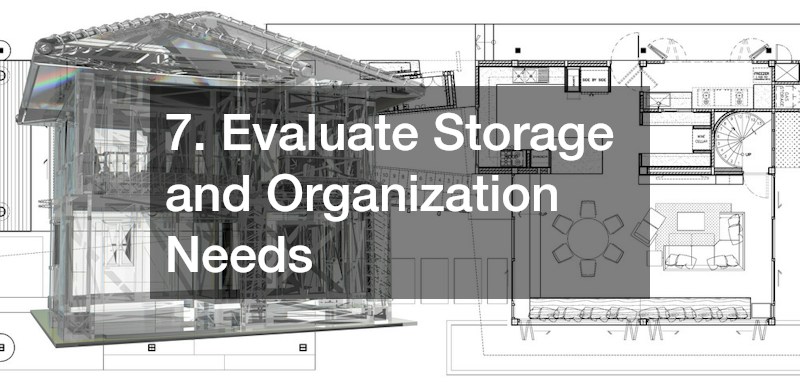
Storage is an important consideration when planning improvements because a well-organized home can make everyday routines easier. Renovations provide an opportunity to address clutter, improve accessibility, and make better use of available space.
Start by identifying areas where storage is limited or inefficient. Kitchens, bathrooms, closets, laundry rooms, and garages often benefit from thoughtful organizational upgrades.
In kitchens, custom cabinet companies can help homeowners explore cabinetry designed around their available space, storage requirements, and preferred style. Options such as pullout shelves, deep drawers, built-in organizers, and specialized compartments can improve functionality.
Bathrooms may also benefit from additional storage through vanity upgrades, recessed shelving, or built-in cabinets. Homeowners should consider how frequently different items are used when deciding where storage features should be placed.
Closet renovations can create more room for clothing, shoes, cleaning supplies, and seasonal belongings. Adjustable shelving and organized compartments may help maximize storage without requiring a larger room.
Before purchasing organizational products, take accurate measurements and consider what needs to be stored. Planning around actual household belongings can prevent homeowners from spending money on storage features that don’t serve a practical purpose.
8. Understand Permits, Regulations, and Project Requirements
Some home improvement projects require permits or professional inspections before work can begin. These requirements vary depending on the location, project scope, and type of construction involved.
Structural modifications, electrical upgrades, plumbing changes, and certain additions may require approval from local building departments. Homeowners should confirm the applicable requirements before scheduling contractors or purchasing materials.
Skipping required permits can create complications during inspections, property sales, or insurance claims. It may also result in fines or additional expenses if work needs to be corrected.
Homeowners should ask contractors which permits are necessary and clarify who will be responsible for obtaining them. Written agreements should explain how permit fees and inspection requirements will be handled.
It is also worth reviewing any applicable neighborhood or homeowners association restrictions. Certain exterior changes, fencing projects, and additions may require approval before construction begins.
Understanding these requirements early can help homeowners avoid delays and keep projects aligned with local regulations.
9. Prepare the Home for Renovation Work
Once the project has been scheduled, homeowners should prepare the property for construction. Proper preparation can protect belongings, improve contractor access, and make the renovation process less disruptive.
Begin by removing furniture, decorations, electronics, and other belongings from the work area. If an entire room is being renovated, determine where its contents will be stored temporarily.
Dust and construction debris can spread beyond the immediate work zone, so consider covering nearby furniture and sealing off adjacent spaces when appropriate. Homeowners may also need to establish temporary arrangements for cooking, bathing, laundry, or other activities if essential rooms will be unavailable.
Waste removal should be part of the preparation process. Depending on the project’s size, roll off dumpster rental services may provide a convenient way to manage construction debris, discarded materials, and renovation waste. Homeowners should confirm container size, placement requirements, rental periods, and accepted materials before arranging delivery.
For larger projects that require temporarily relocating household belongings, local moving companies may help transport furniture and other items into storage or another location. Planning these arrangements ahead of time can reduce last-minute stress.
A clean, accessible work area helps contractors complete their tasks more efficiently and can make the renovation experience easier for everyone involved.
10. Think About Bathroom and Kitchen Renovation Details
Bathrooms and kitchens often involve several interconnected decisions, making it important to plan their layouts and materials carefully.
For bathroom projects, homeowners should consider the location of plumbing fixtures, available floor space, ventilation, lighting, and storage. These details influence both the room’s appearance and everyday usability.
Tile selection is another important consideration. Shower tiling companies can help with material selection, surface preparation, installation, and finishing details. Homeowners should ask about waterproofing methods, grout options, maintenance requirements, and installation timelines before committing to a design.
In kitchens, think about how the space is used throughout the day. Countertop placement, cabinet accessibility, appliance positioning, and lighting can all affect convenience. A layout that looks attractive may not be practical if it creates unnecessary movement or limits available workspace.
Homeowners should also consider ventilation in both spaces. Proper ventilation helps manage moisture and can reduce conditions that contribute to mold growth or material deterioration.
By considering functionality alongside appearance, homeowners can create spaces that remain comfortable and useful long after the renovation is finished.
11. Address Maintenance and Pest Prevention
Home improvements can create an opportunity to address maintenance concerns that may otherwise be overlooked. Before completing renovations, homeowners should evaluate the property’s condition and identify areas that could require ongoing attention.
Look for signs of moisture intrusion, deteriorating wood, damaged exterior materials, and gaps around doors or windows. These issues may affect the durability of new finishes if they aren’t addressed before installation.
Pest prevention is another important consideration. Insects and rodents can damage insulation, wiring, wood, and stored belongings. If homeowners notice droppings, damaged materials, unusual odors, or recurring pest activity, they should investigate the source.
A qualified pest control company can assess the property, identify potential entry points, and recommend appropriate treatment or prevention measures. Addressing pest concerns before closing up walls or installing new cabinetry may help prevent future disruptions.
Homeowners should also develop a maintenance schedule for newly renovated areas. Cleaning surfaces according to manufacturer recommendations, inspecting plumbing connections, maintaining ventilation systems, and checking exterior materials can help preserve the improvements.
Investing in maintenance after a renovation can protect the money and effort that went into the project.
Investing in home improvements requires more than choosing attractive materials and deciding which rooms to renovate. Homeowners should consider their goals, available budget, property condition, contractor qualifications, and long-term maintenance requirements before committing to major projects.
Taking time to research options and compare estimates can help prevent unnecessary expenses and make it easier to prioritize the most important improvements. Addressing essential systems, understanding local regulations, and preparing the home for construction can also contribute to a smoother renovation experience.
Whether you’re planning a kitchen update, bathroom renovation, exterior repair, or whole-home improvement, thoughtful preparation can make a meaningful difference. By balancing appearance, functionality, and long-term value, homeowners can make informed decisions and create a living space that better supports their needs.